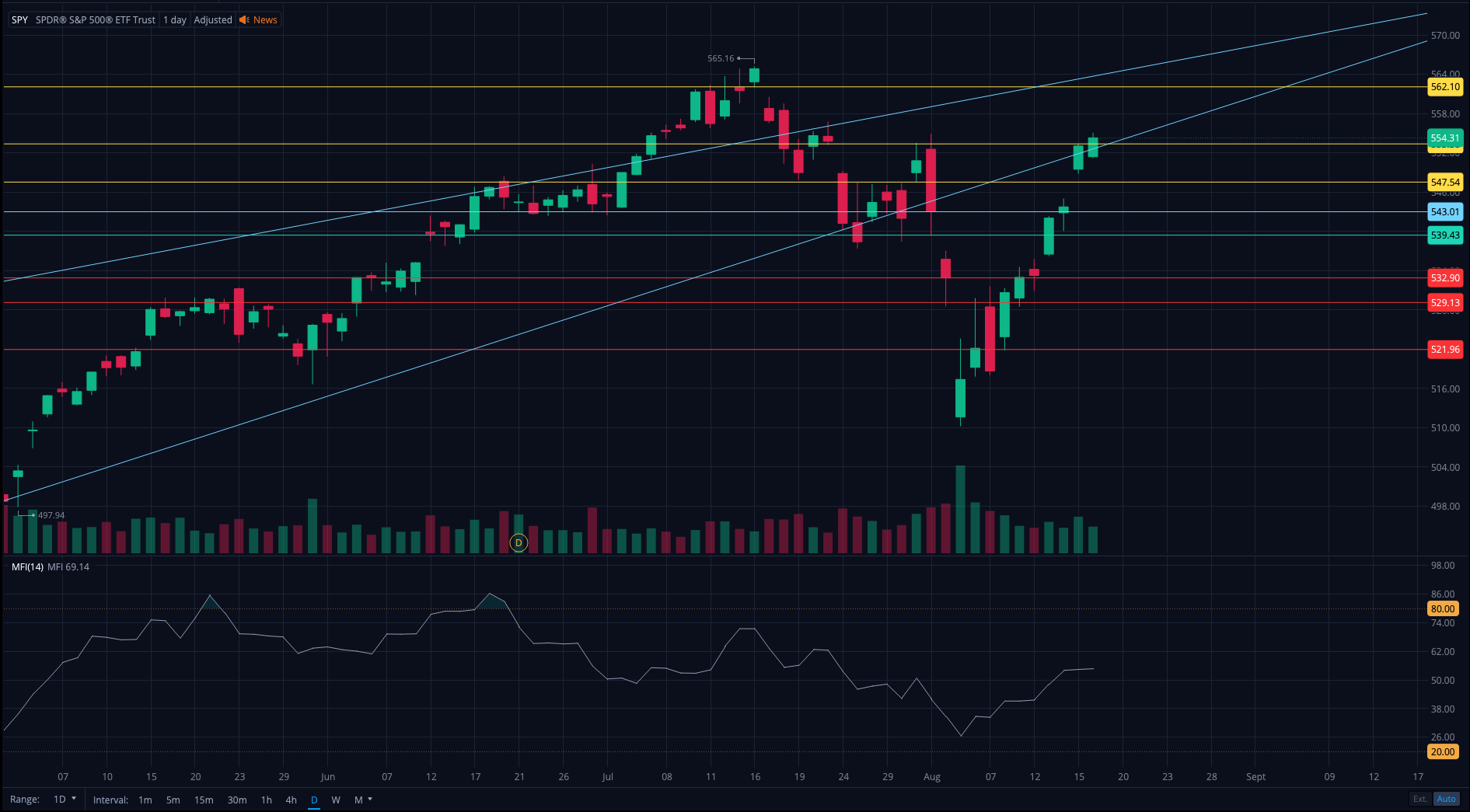
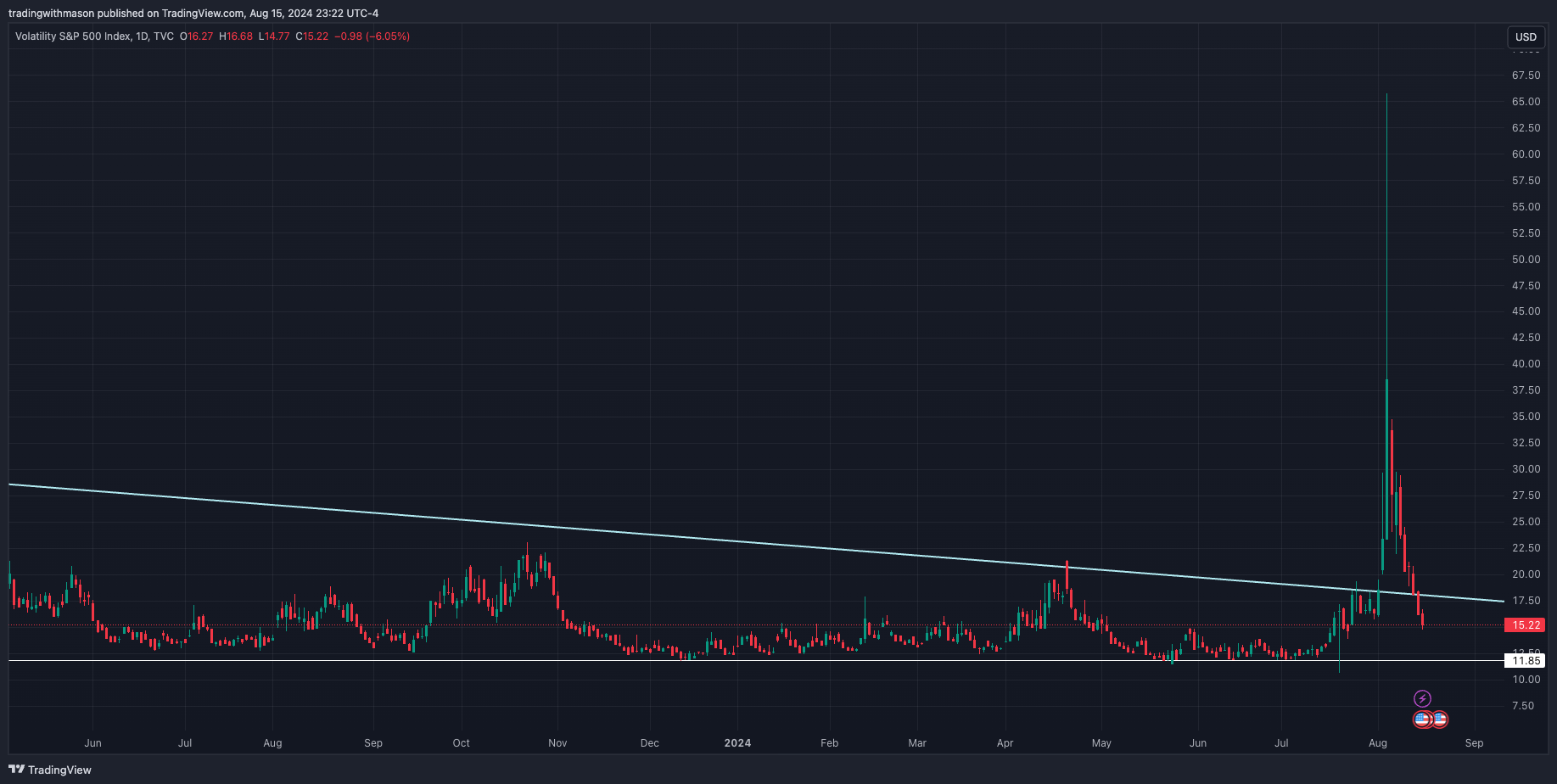
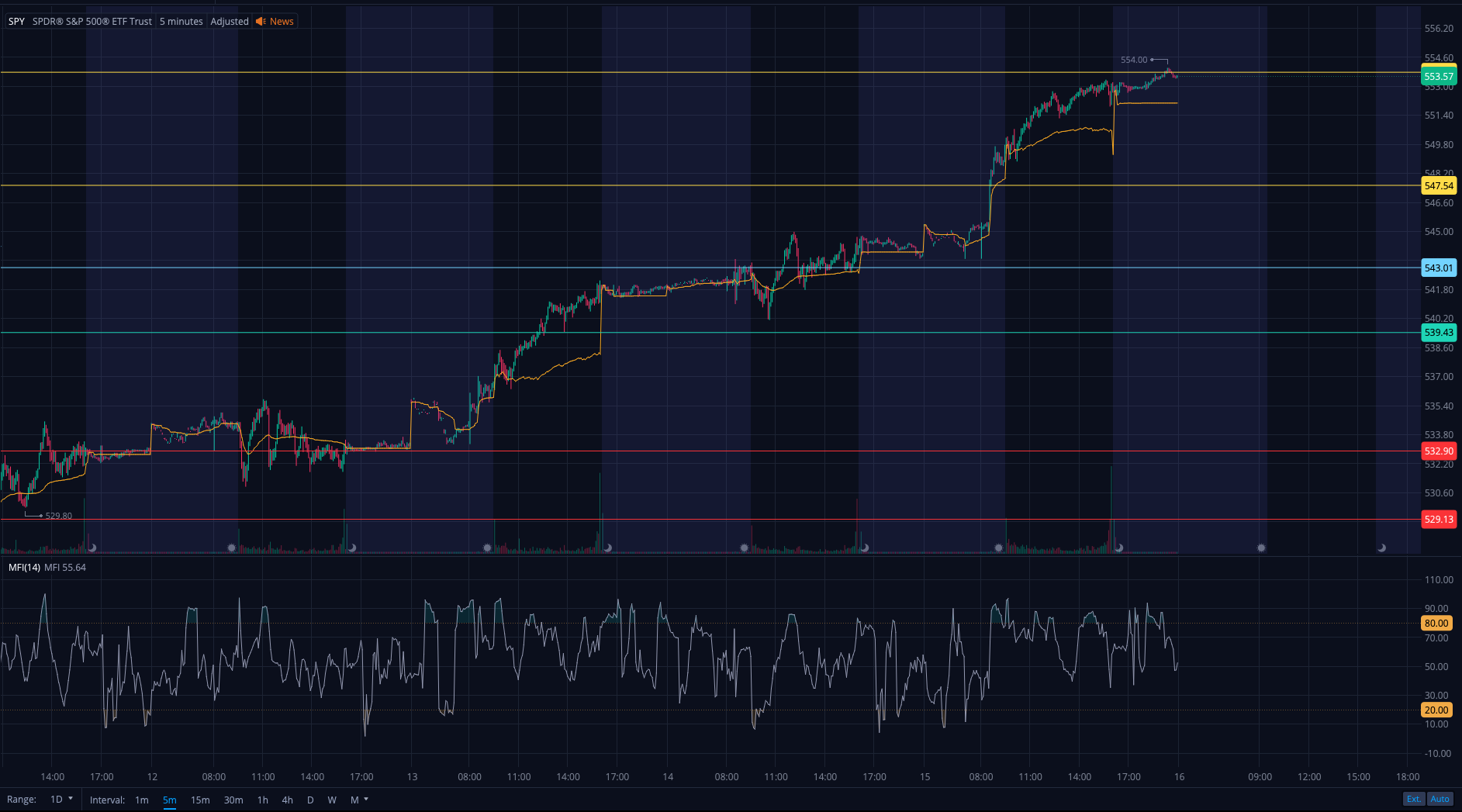
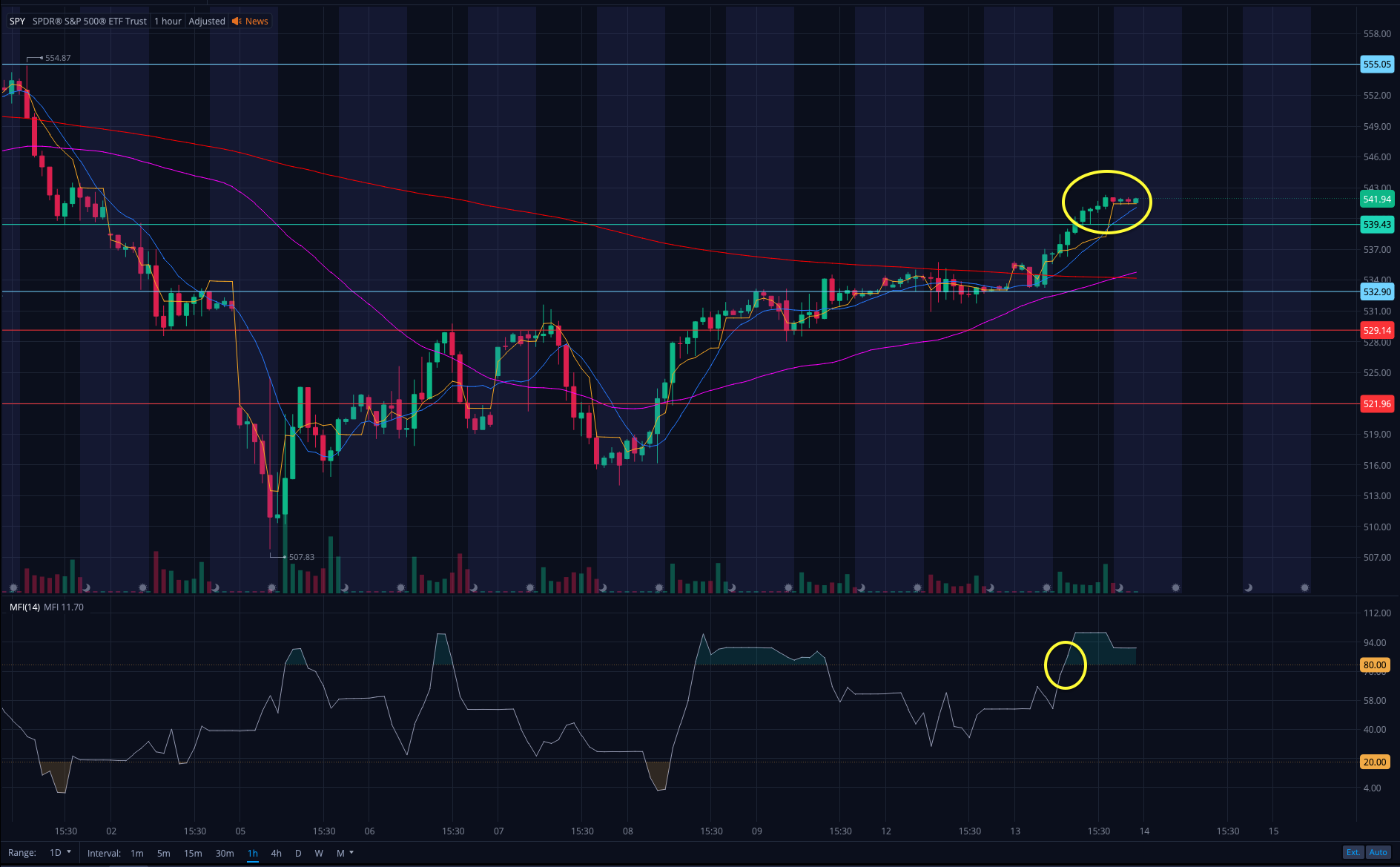
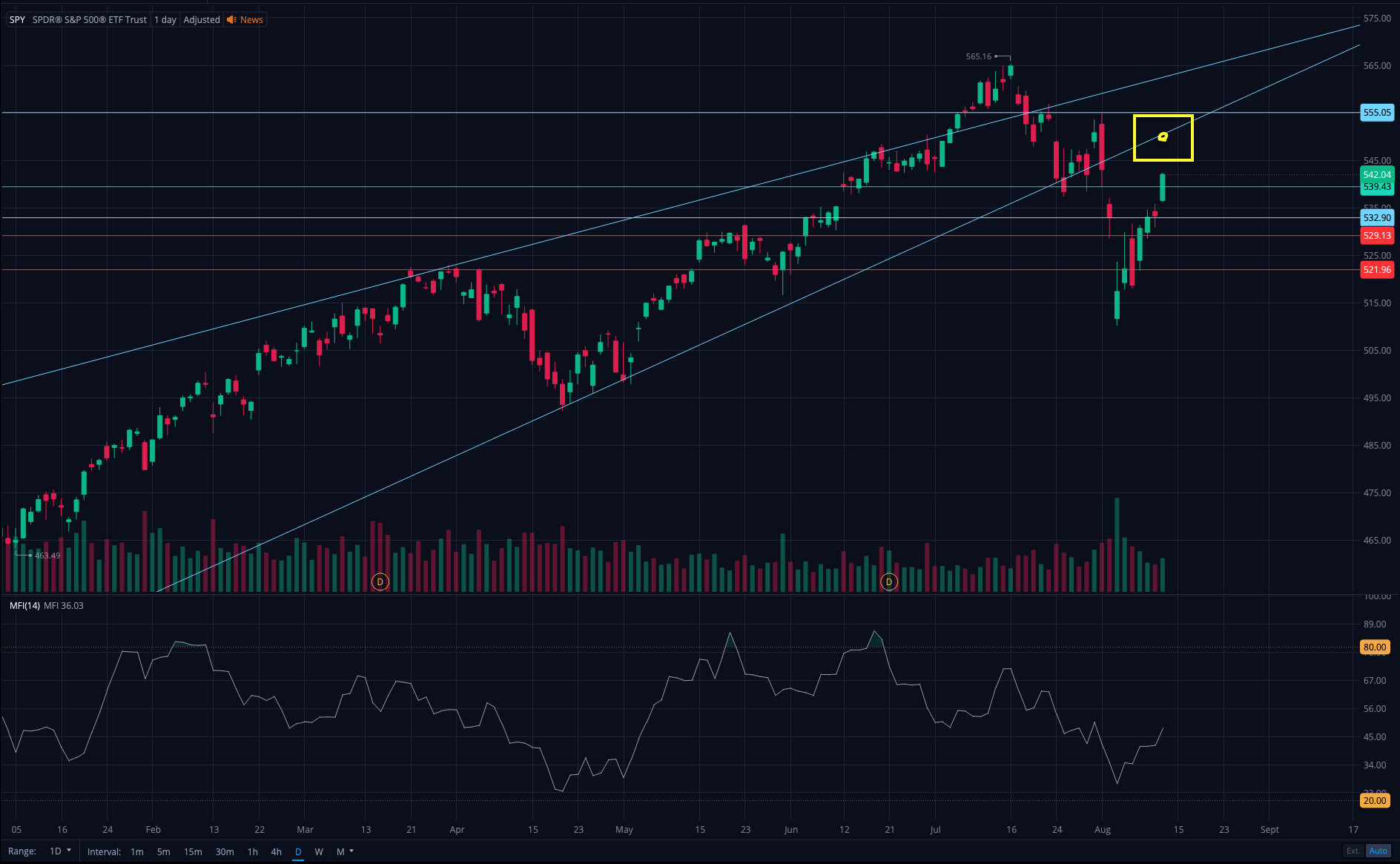
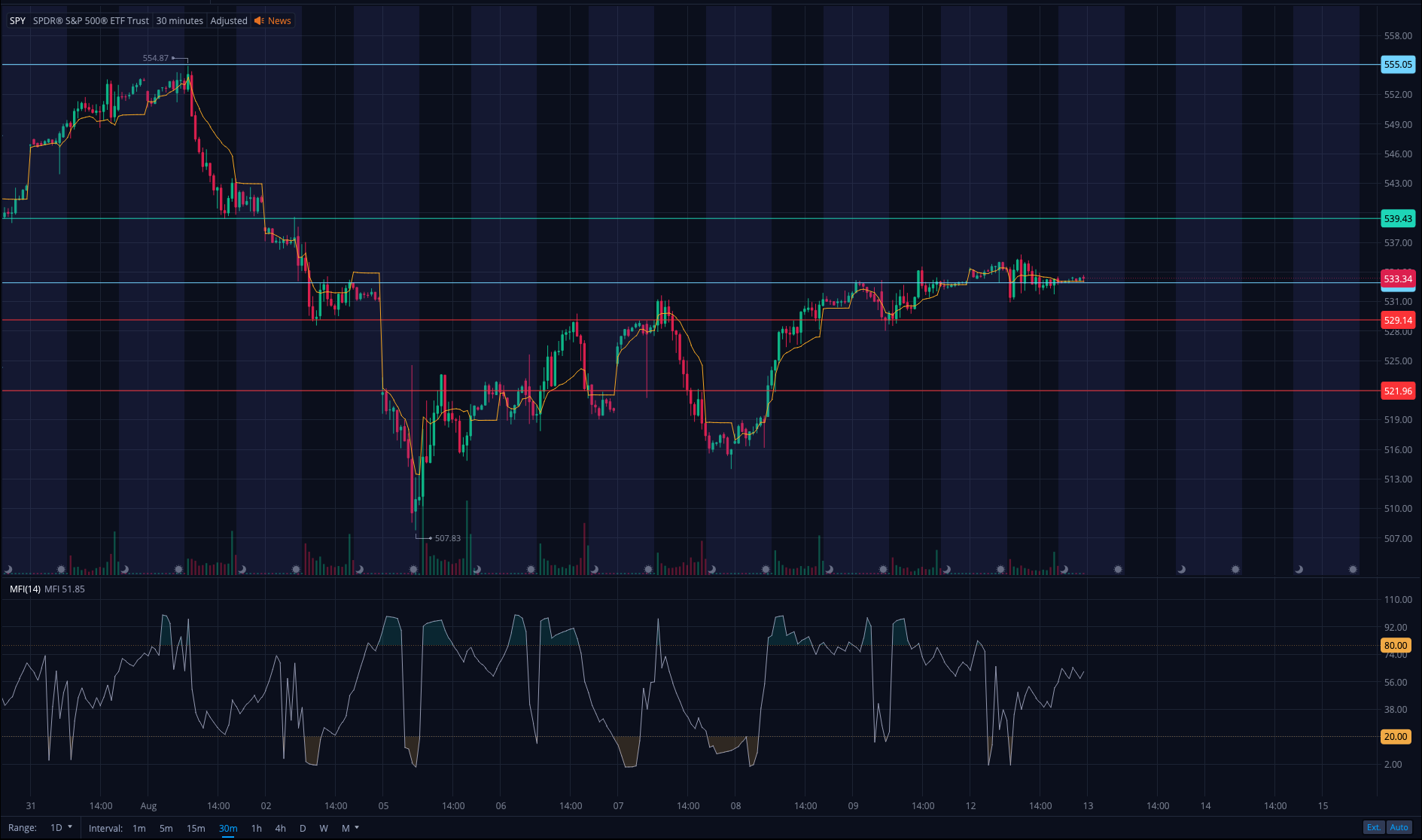
There’s not much to say about tonight as SPY continues sprinting toward all-time highs. There has been only one day of selling since we bottomed, and I’m not sure what is needed for SPY to find some resistance. Technicals haven’t played too much of a role in this recovery, but I’m watching the 562 and 565 levels for potential opportunities to add to my short positions.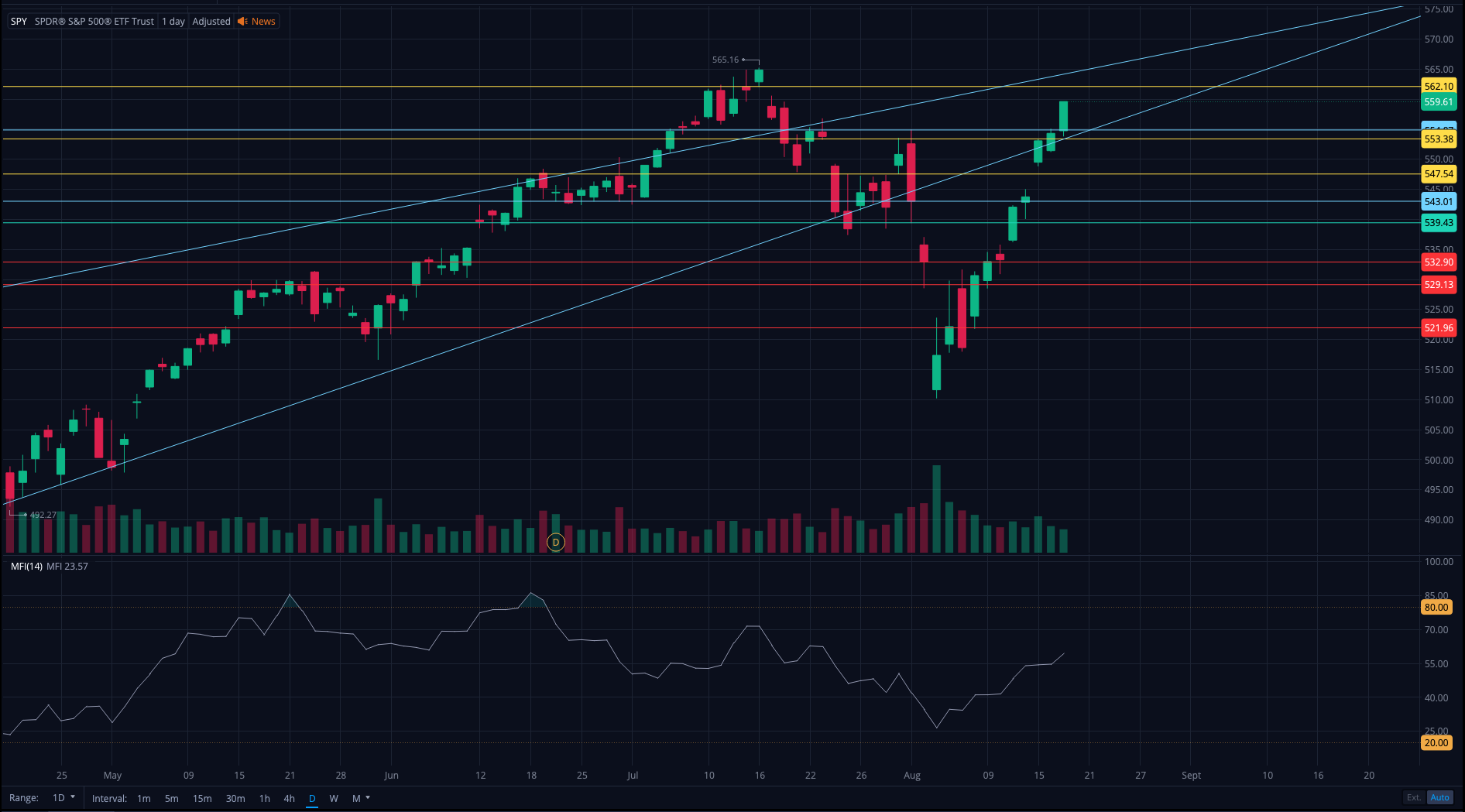
Shorting NVDA
Aside from SPY, I have been adding NVDA short shares incrementally. I’m thankful to have the opportunity to short near the top after the recent 30% drop. Even if NVDA marches higher, it doesn’t matter much to me, as I will continue to dollar cost average up.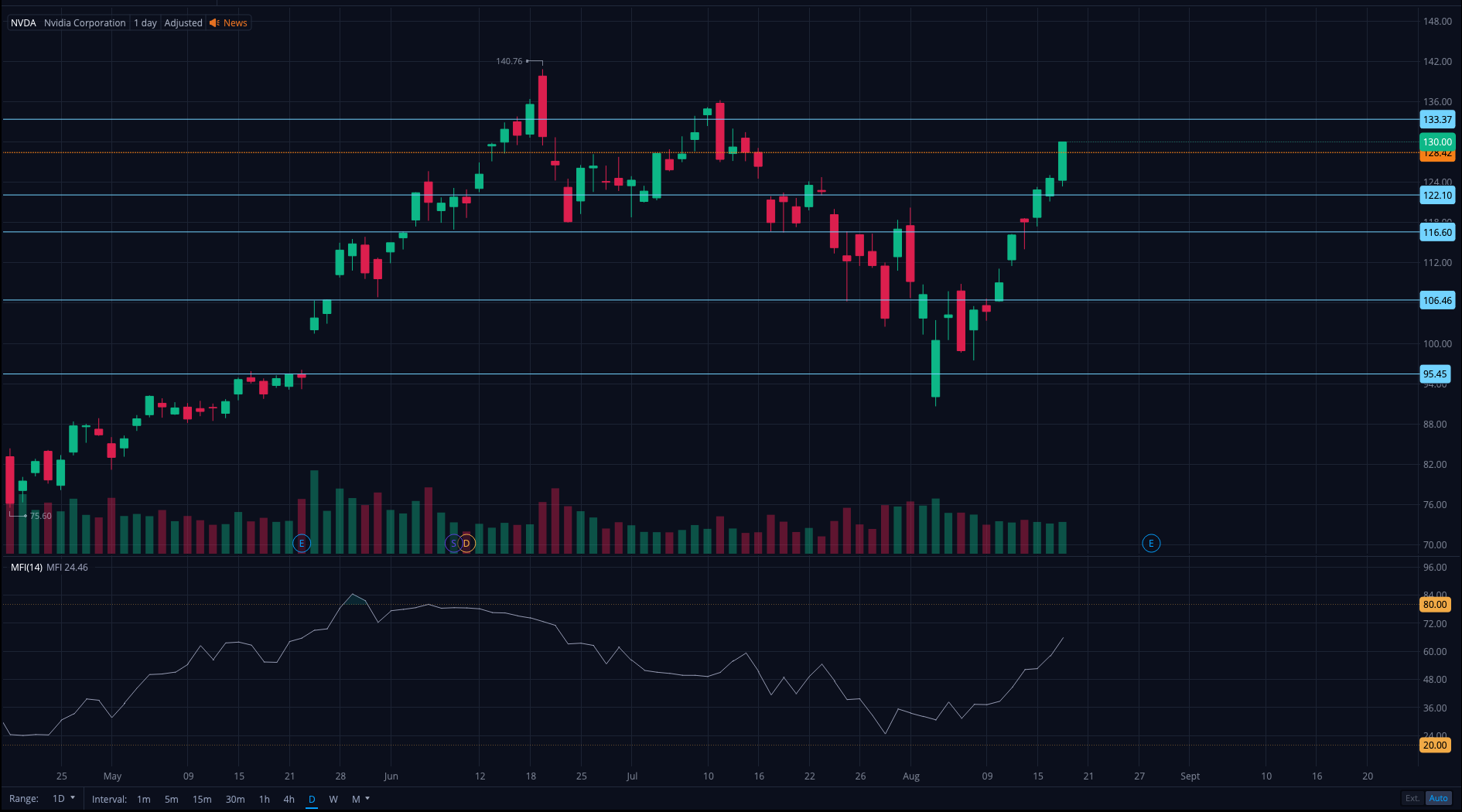
Regional banks: KRE
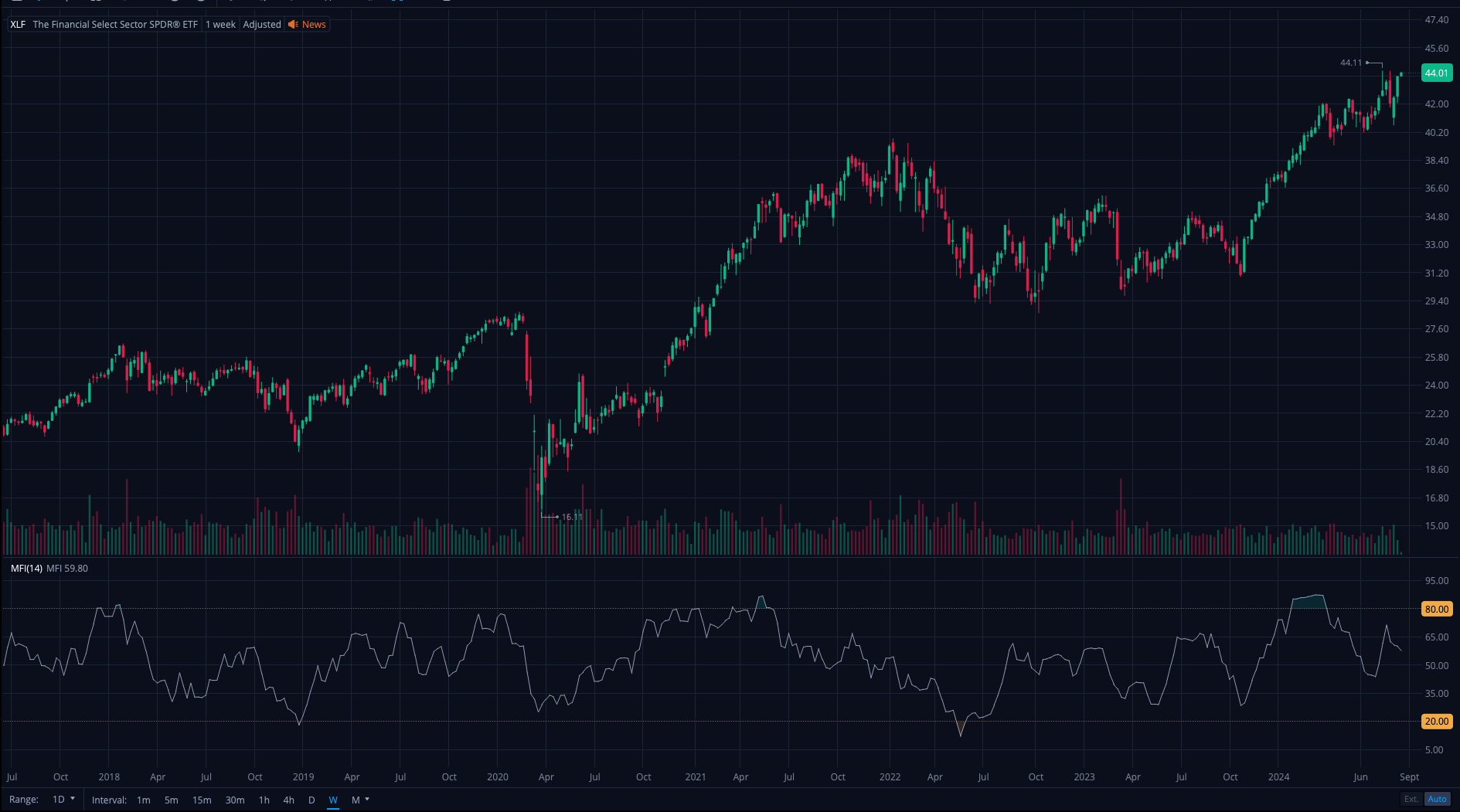
I also added some short shares of KRE today (regional banks). Regionals have underperformed larger banks, as seen in comparing KRE to XLF, which tracks the financial sector and banks like Goldman Sachs, Bank of America, and Wells Fargo.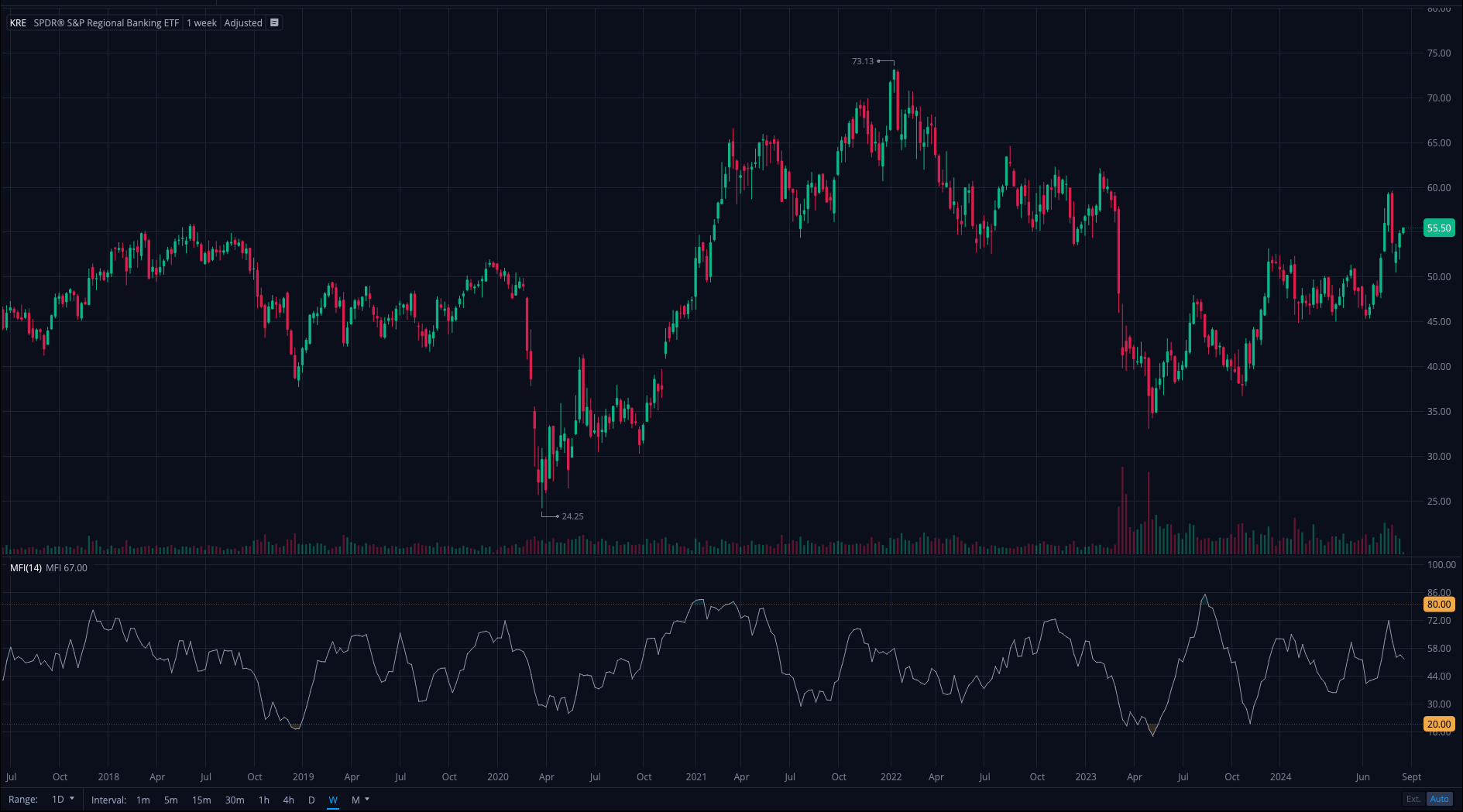
Economic instability
If I were worried about a secure rally from here, accumulating underperforming ETFs would be more appealing than their overvalued counterparts. Investors should always weigh their risk appetite and understand that some may have more than others. I’m staying away from leveraged ETFs this time around to avoid decay.
That said, the market doesn’t seem to be pricing in a strong economic future. I plan to write more on this topic in the future, but I highly recommend researching the yield curve if you’re unfamiliar.
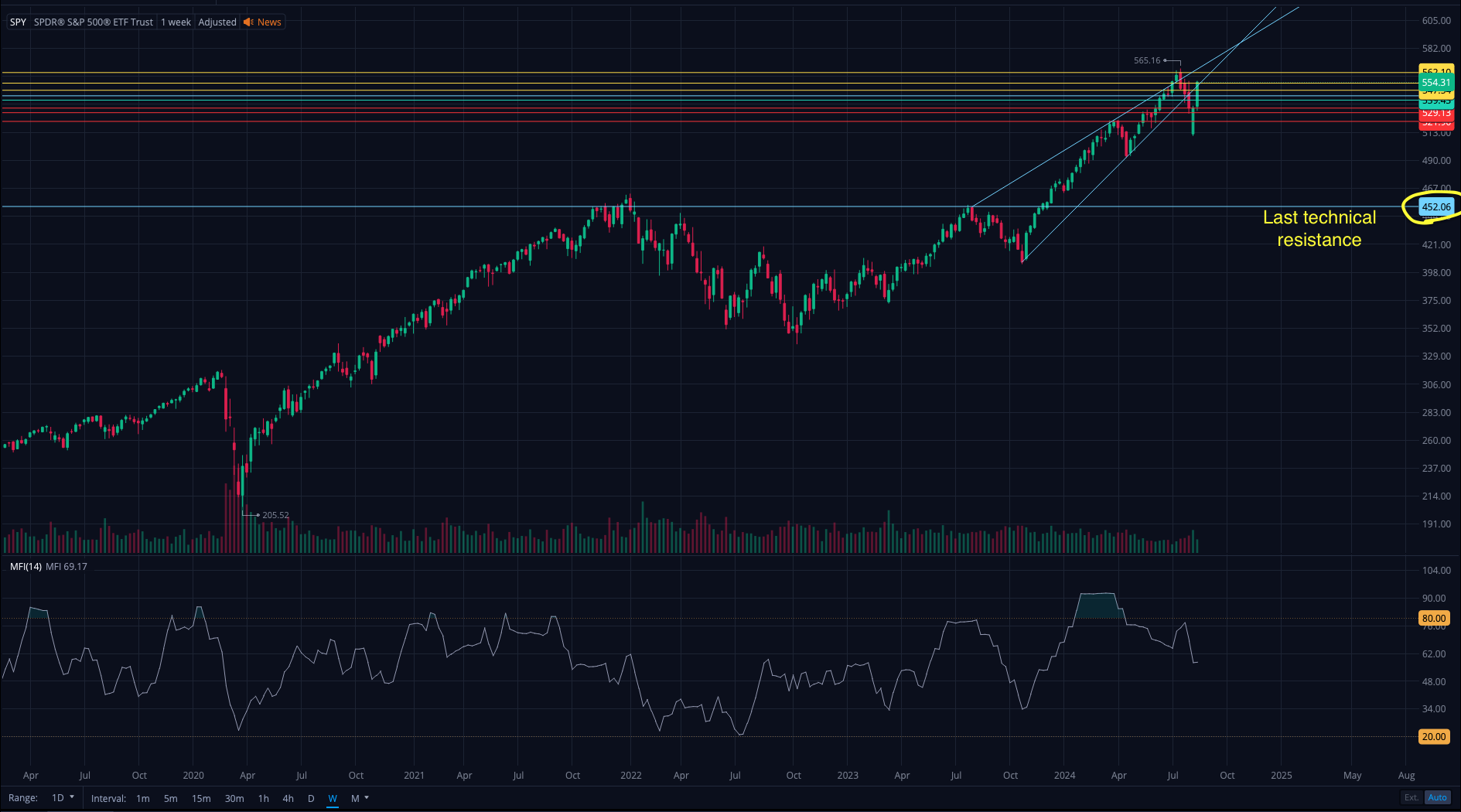 Some traders with a strong track record claim that 500 will be the bottom on any correction, but I find it hard to understand the reasoning. Nevertheless, the 500 psychological level is one to keep in mind.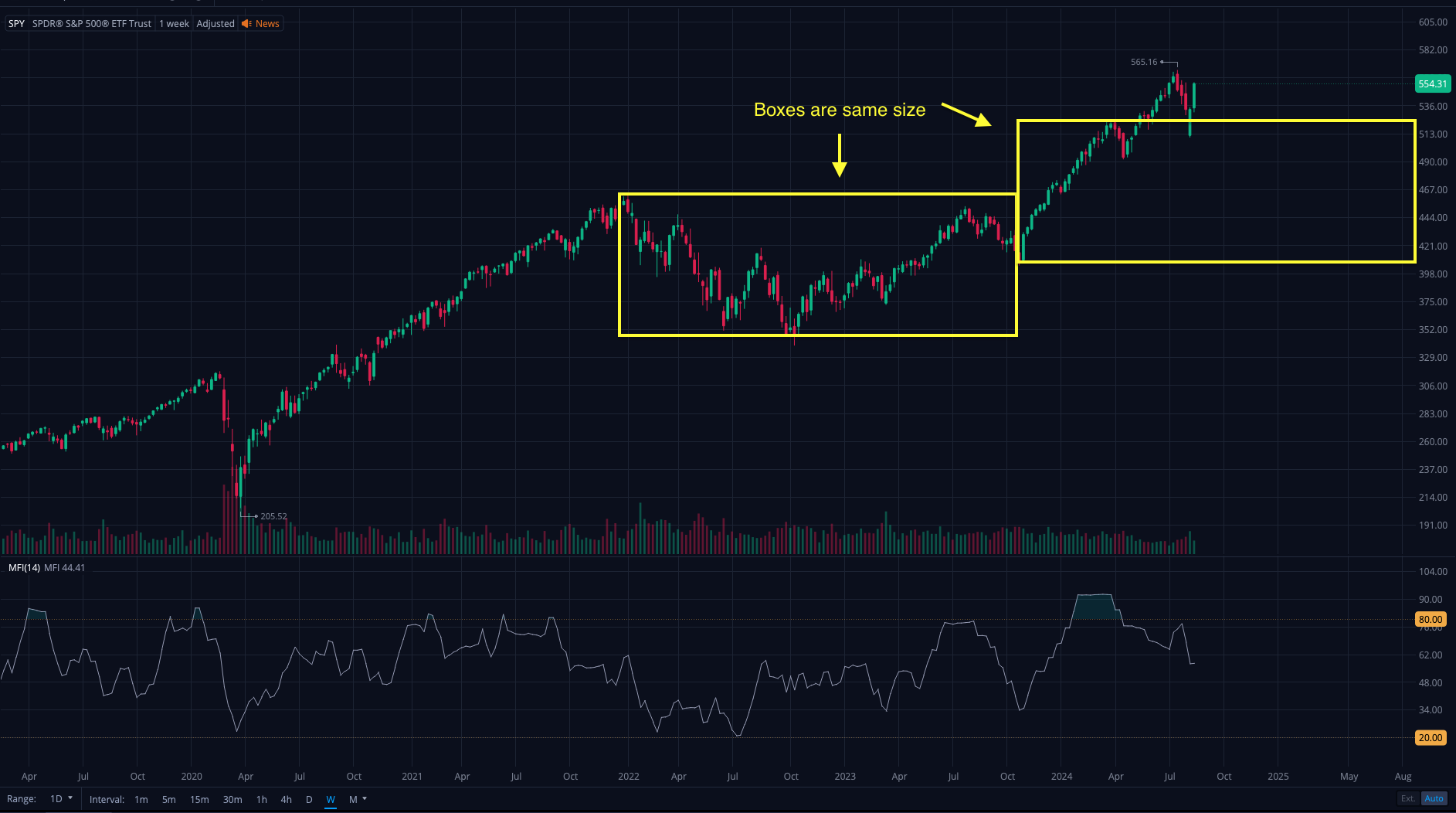
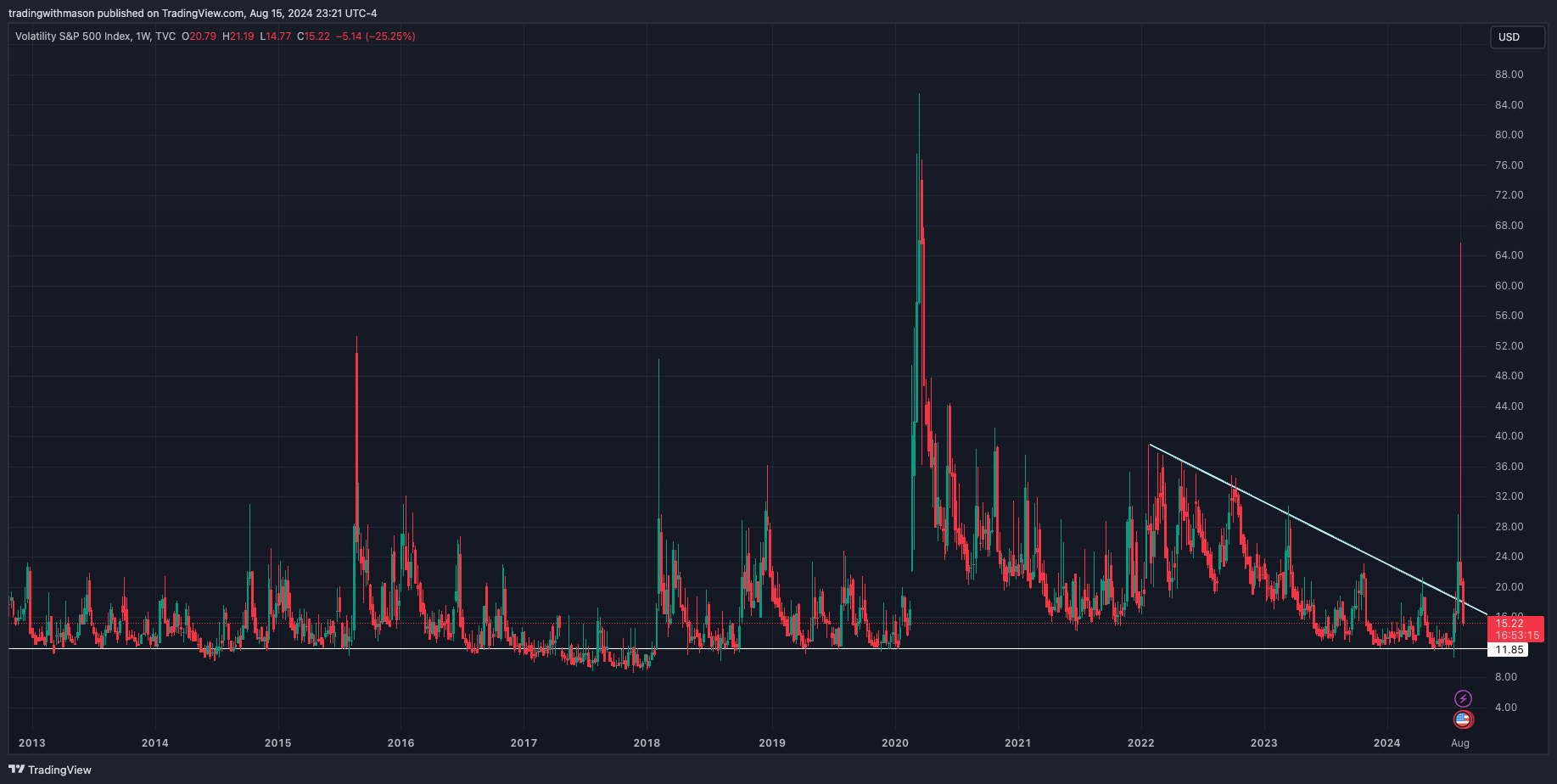
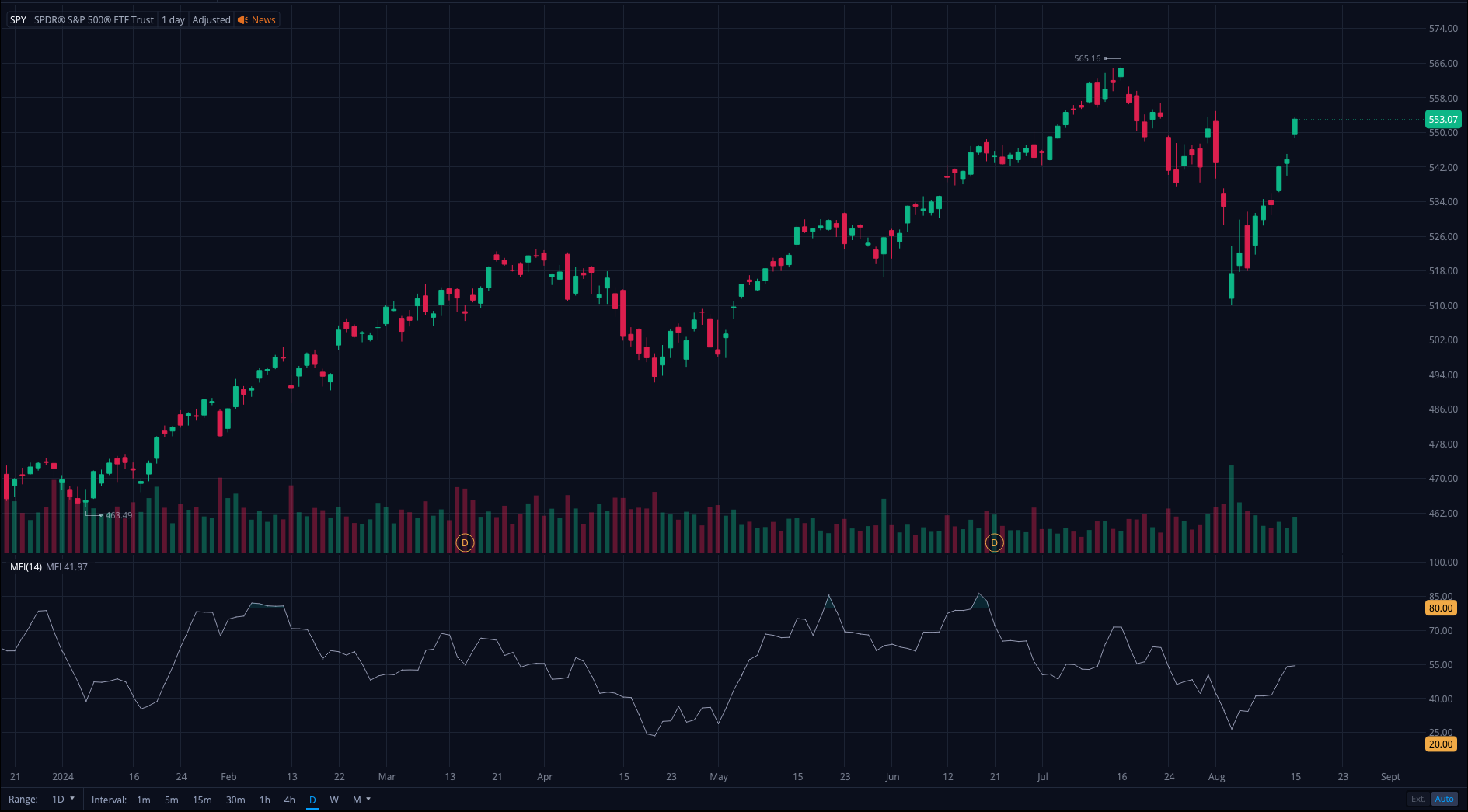
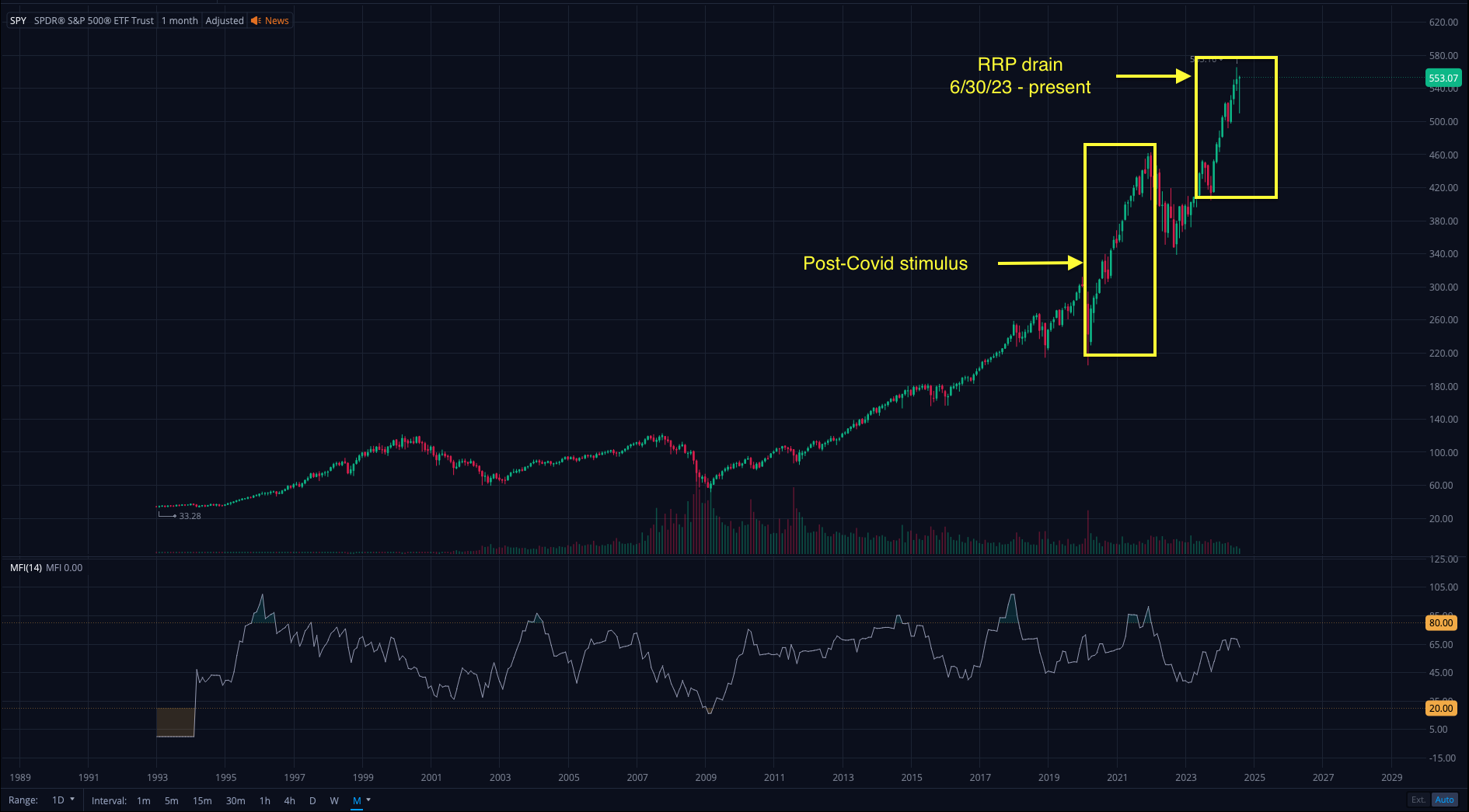
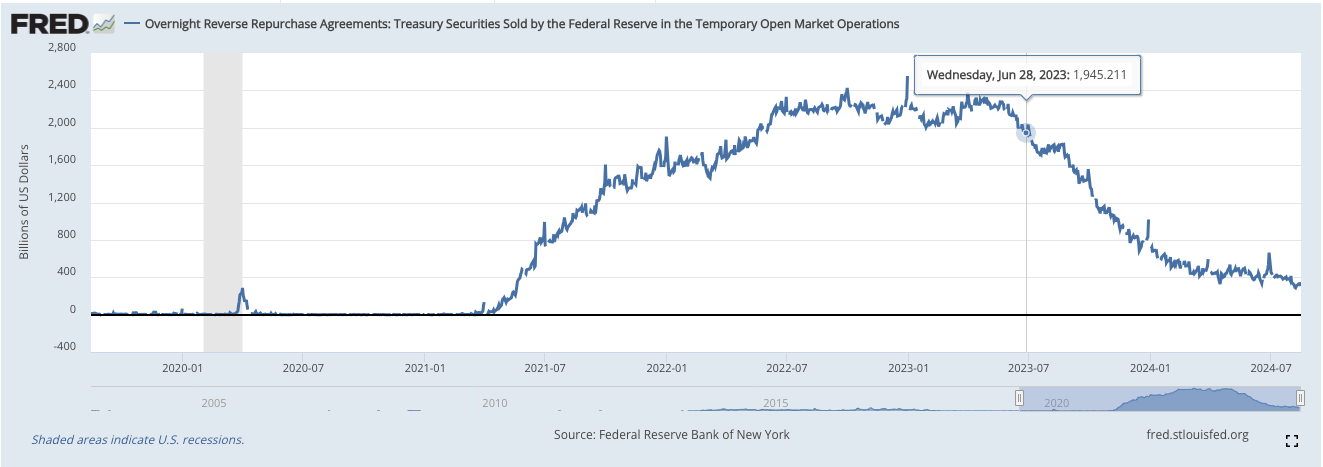
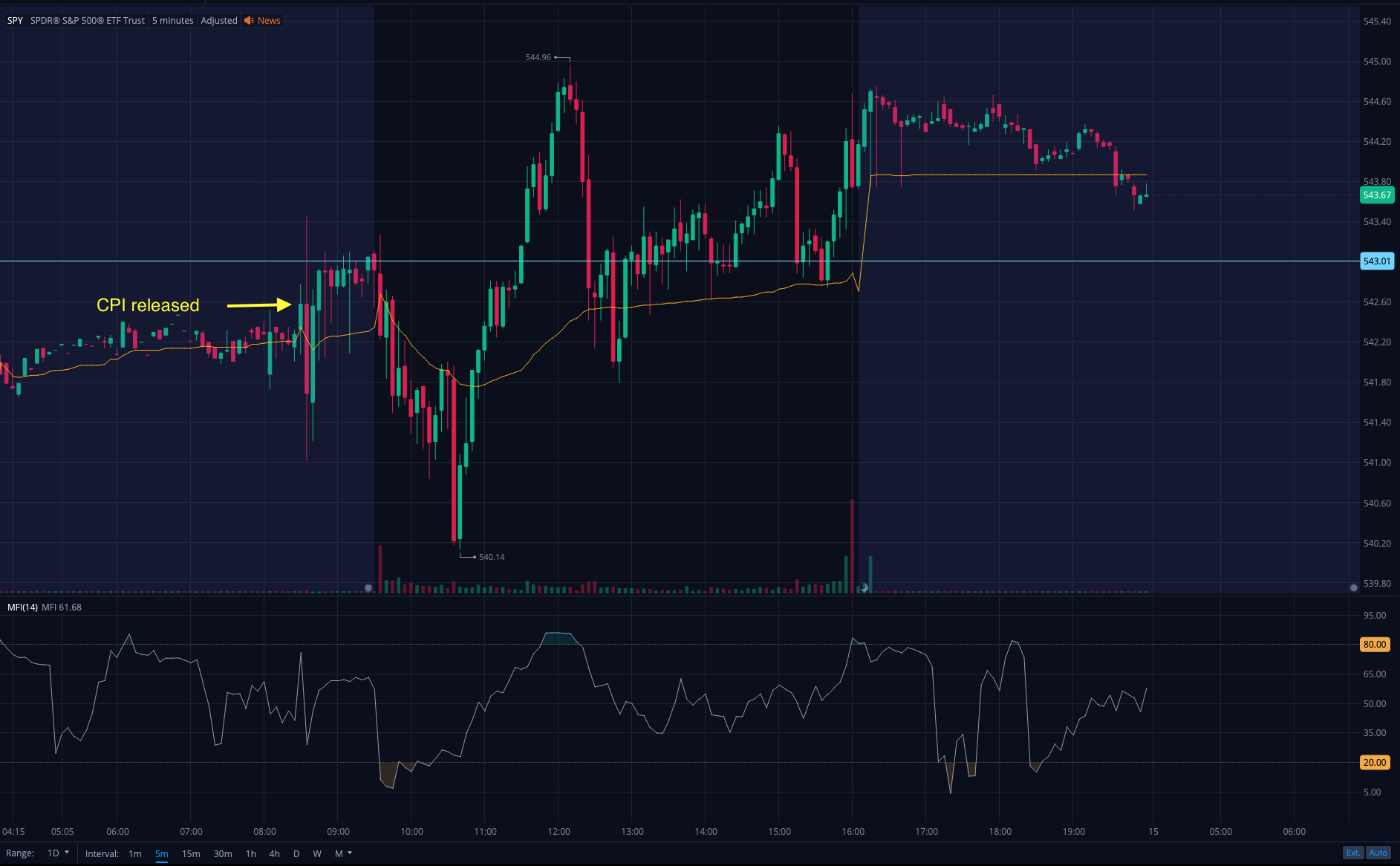
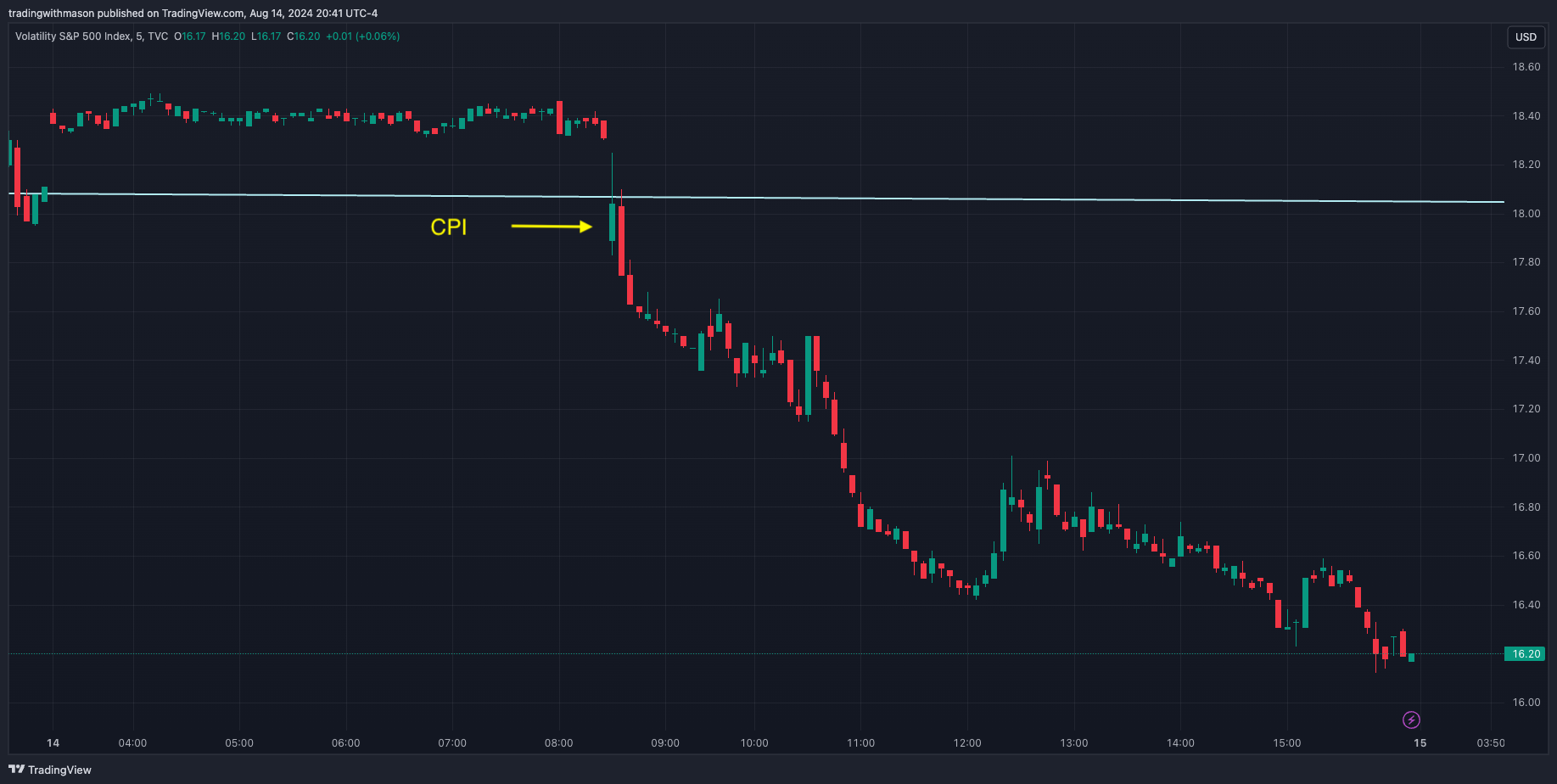
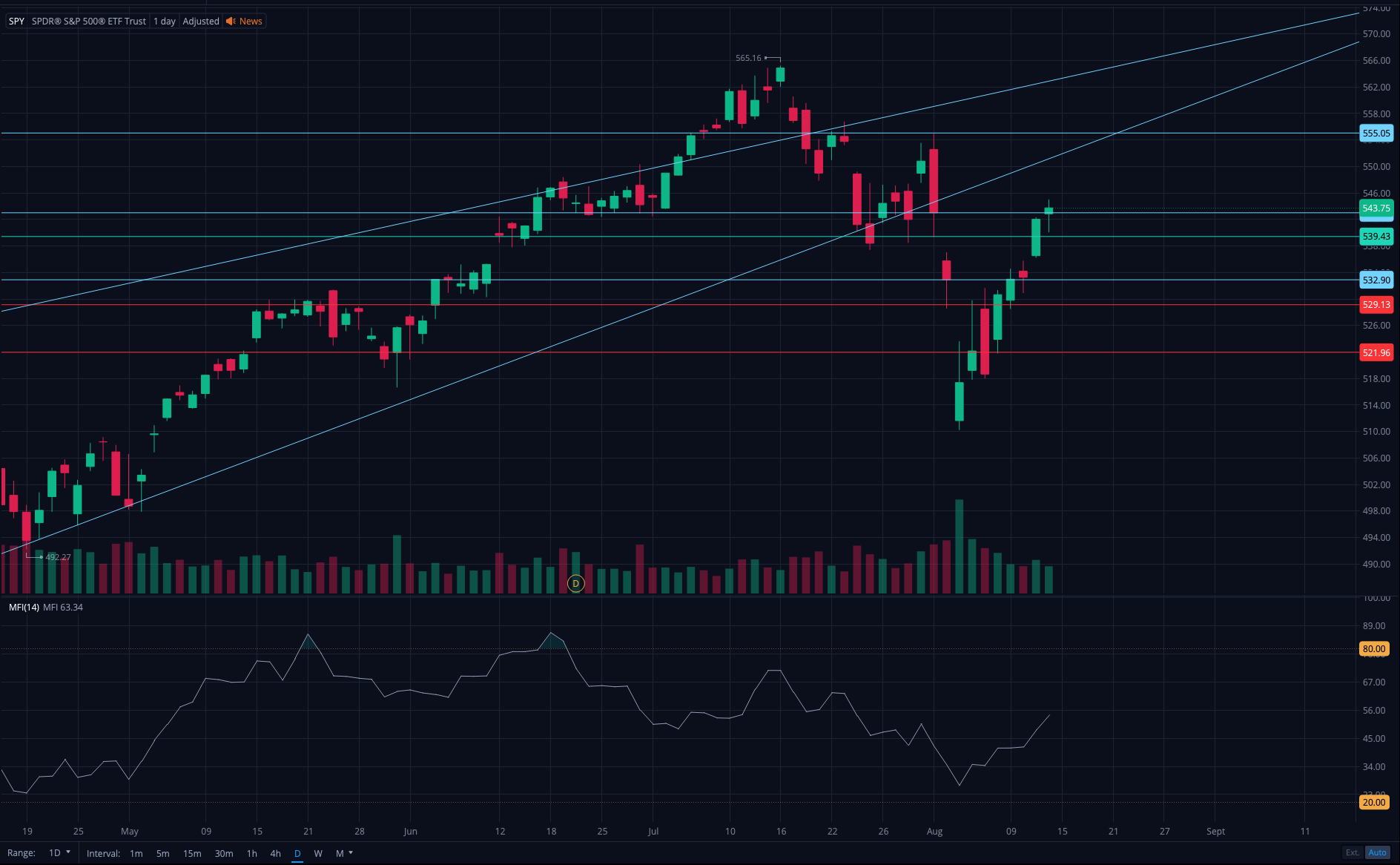


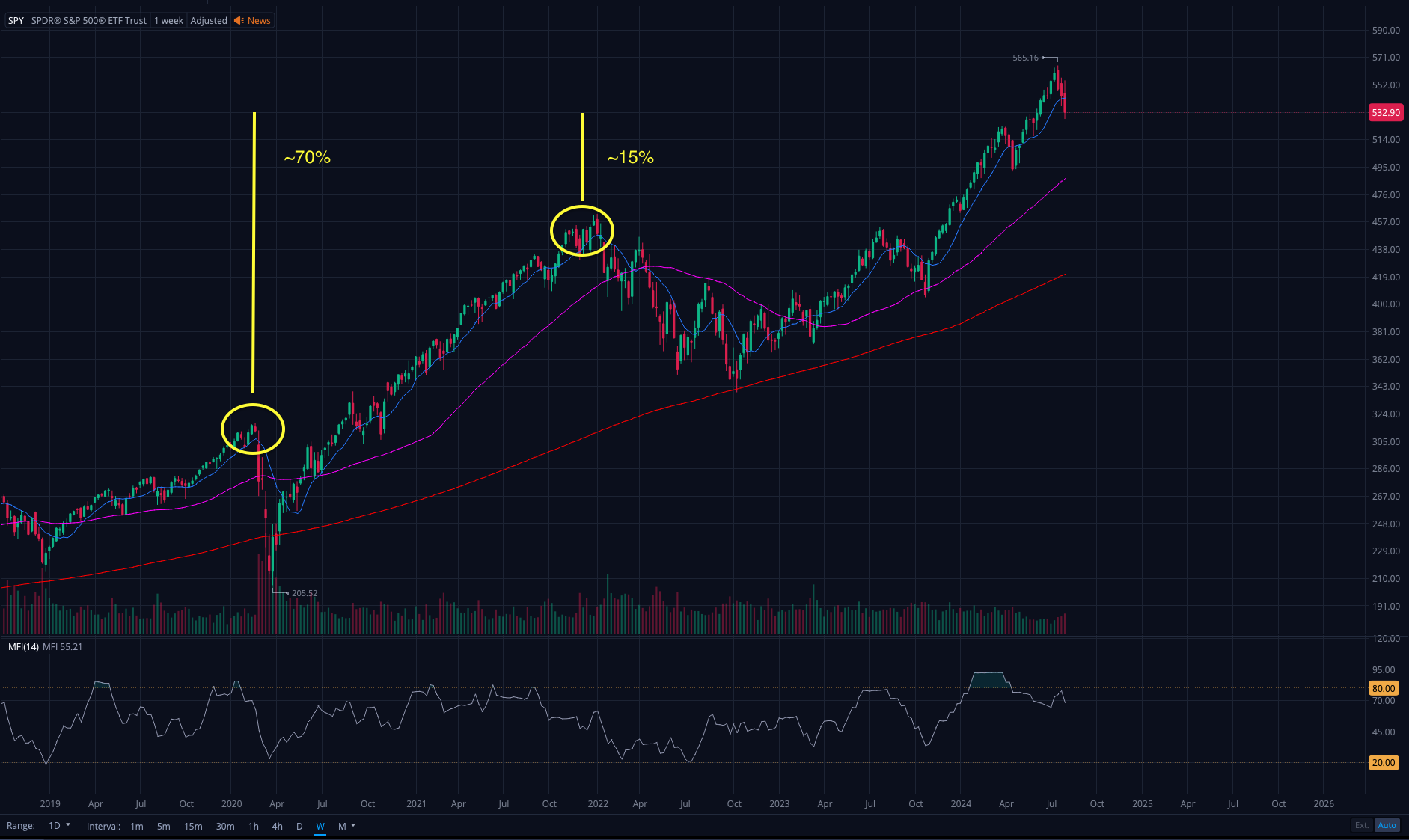 Ever since November of last year, the market has largely shrugged off any bad news. NVDA and other chip stocks have dominated the market cap, while non-tech-related companies have participated very little in the strong momentum. To be fair, IWM has seen a recent surge and is just now approaching its 2021 highs. In contrast, SPY and QQQ are well above those levels, both approximately 15% up, even after this most recent sell-off. Moreover, SPY is about 70% higher than pre-COVID levels in just four years.